
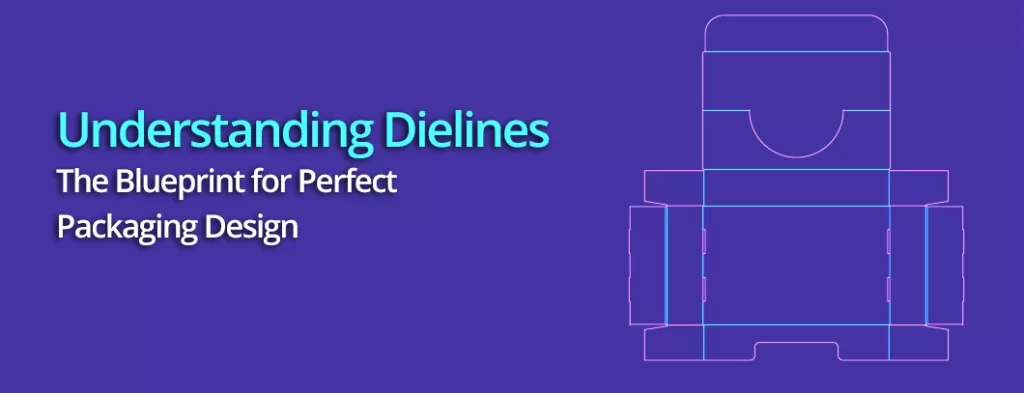
What is a Dieline and Why is it Important in Packaging Design?
When it comes to creating effective and visually appealing packaging, understanding the concept of a dieline is crucial. A dieline serves as the blueprint for packaging design, ensuring accuracy, consistency, and functionality. For small to medium size brands, having a well-structured dieline can make the difference between a flawless packaging experience and costly mistakes during production.
The Role of a Dieline in Packaging Design
A dieline is a template that outlines the shape, cut lines, fold lines, and bleed areas of a packaging design. It acts as a guide for printers and manufacturers to ensure that all elements align correctly when the final product is assembled. Without a precise dieline, packaging materials may not fit together properly, leading to printing errors, misaligned artwork, and structural issues.
For businesses investing in custom packaging design, having a properly prepared dieline ensures that branding elements, such as logos, product information, and visuals, are placed accurately. This is especially important for products like tea packaging, spice packaging, pouch designs, and label design, where precision and aesthetic appeal are critical for market success.

How a Dieline Enhances Cost-Effective Packaging Solutions?
For businesses looking for affordable packaging design, a well-crafted dieline helps minimize material waste and reduces printing costs. It ensures that each cut and fold is optimized, preventing unnecessary errors that could lead to reprints and wasted resources.
In industries like best packaging design in Sri Lanka, where quality and cost efficiency go hand in hand, dielines play an integral role in streamlining the production process. For small to medium size brands, reducing material waste and improving production efficiency can significantly impact profit margins.
Common Mistakes in Dieline Creation
Dieline creation is a precise process, and even small mistakes can result in costly errors during production. One of the most common mistakes is incorrect bleeds and margins, which can cause unintended white edges on printed packaging. Another issue is misaligned fold lines, leading to creases that don’t match up properly when the package is assembled. Designers sometimes forget to include cut marks and registration marks, which are essential for printers to ensure accurate trimming and alignment. Additionally, using low-resolution artwork on a dieline can result in blurry graphics once printed. Overlooking these details can lead to delays and additional costs, making it crucial to follow dieline guidelines carefully.
How Dielines Impact Printing and Finishing
A well-structured dieline plays a crucial role in achieving high-quality printing and finishing. Color accuracy depends on the dieline being correctly set up with CMYK or Pantone color modes, ensuring that branding colors remain consistent. Special finishes like embossing, debossing, foil stamping, and spot UV coating require precise placement on the dieline to align with the printed design. If the dieline isn’t accurate, these effects may shift during production, ruining the final look. Additionally, dielines are crucial for die-cutting machines, which rely on precise cut and fold lines to create packaging that fits perfectly together. Without a properly prepared dieline, the entire production process can be compromised.
Software Used for Dieline Creation
Creating a dieline requires specialized design software that allows for precision and scalability. Adobe Illustrator is the industry standard due to its vector-based capabilities, ensuring sharp lines and scalable designs. For packaging engineers working on complex box structures, ArtiosCAD is a popular choice, offering 3D modeling and structural design tools. Other software like CorelDRAW and Esko Studio are also used for creating and testing dielines before production. These tools allow designers to create dielines that are both functional and visually appealing while ensuring they meet printing and cutting requirements.
Adapting Dielines for Different Packaging Materials
Not all packaging is created equal, and dielines must be adjusted based on the material being used. For cardboard and paperboard packaging, dielines must account for foldability and thickness to ensure the structure holds its shape. Plastic packaging, such as clamshell containers or clear boxes, requires dielines that consider transparency and heat-sealing points. Flexible packaging, such as pouches and bags, needs dielines that include heat-seal margins, gusset placements, and zipper or tear-notch features. Adapting dielines for each material ensures the packaging not only looks good but also functions effectively in real-world conditions.
Dielines for Eco-Friendly Packaging
With sustainability becoming a major focus, dielines are now being optimized for eco-friendly packaging solutions. One approach is minimizing material waste by designing dielines that maximize the use of printing sheets and reduce offcuts. Using recyclable materials means dielines need to avoid excessive glue tabs or complex structures that hinder recycling. For brands adopting a minimalist approach, dielines can be simplified to use less ink and fewer finishing processes, reducing environmental impact. As sustainable packaging grows in demand, well-planned dielines play a key role in creating environmentally friendly designs without sacrificing aesthetics.
Conclusion: Why Every Business Needs a Dieline
A dieline is more than just a technical drawing—it’s the foundation of custom packaging design. For small to medium size brands, investing in a well-structured dieline ensures cost efficiency, brand consistency, and high-quality packaging that appeals to customers. By incorporating product mockups and optimizing for digital and print marketing, businesses can elevate their packaging strategies and stay ahead in an ever-evolving market.
If you’re looking for professional packaging design solutions with precise dielines, reach out to us. We specialize in creating top-tier packaging for various industries, ensuring your products stand out with exceptional design and functionality.